Your Guide to Aluminium Sliding Doors
The Advantages of Installing Energy-Efficient Sliding Doors in Your Home
Energy-efficient sliding doors represent a practical solution for homeowners striving to bolster their living spaces. These doors not only refine insulation but also provide an abundance of natural light, which can modify the ambiance of any room. Their modern design can magnify a home's aesthetic appeal and market value. However, the benefits push beyond aesthetics and comfort, compelling a closer evaluation of their overall impact on home efficiency. What points to consider should homeowners heed?

How Sliding Panel Doors Handle Heating and Cooling Efficiency Issues?
Sliding doors, while visually striking, play a significant role in enhancing energy efficiency within homes and commercial spaces. Their design allows for ample natural light, reducing the need for artificial lighting during the day. This natural illumination not only enhances interiors but also contributes to lower energy consumption.
In addition, latest glass doors are regularly equipped with innovative sealing and high-quality glazing, which minimize air leakage. This curtails air drafts and helps maintaining a consistent indoor temperature, finally reducing heating and cooling costs.
Additionally, the sizable glass panels can be formulated to deflect heat during the summer and preserve warmth in the winter, even further contributing to energy efficiency. By integrating sliding doors into their architecture, homeowners and businesses can accomplish a balance between style and sustainability, leading to a more efficient energy footprint while enhancing the overall ambiance of their spaces.
The Method Glass Sliding Doors Amplify Your Home's Climate Protection
While many homeowners prioritize aesthetics, the insulation benefits of patio doors are just as important. Energy-efficient sliding doors are engineered to minimize heat transfer, successfully preserving homes more heated during winter and cooler in summer. They often feature frames with multiple chambers and double-pane glass, which function together to lower energy consumption.
Furthermore, these doors regularly come equipped with weather stripping that stops drafts, further enhancing thermal performance. By creating a tighter seal, sliding doors support maintaining a uniform indoor temperature, reducing the reliance on heating and cooling systems. This simultaneously produces increased comfort but also supports lower energy bills.
Also, reinforced insulation can help reduce outside noise pollution, making a more serene home environment. Generally speaking, the thermal properties of energy-efficient sliding doors give practical benefits that optimize the home's energy savings while providing a agreeable home environment.
Why Natural Light Matters in Your Home?
Natural light contributes substantially in enhancing the ambiance and functionality of a home. It produces an appealing setting, allowing rooms to appear more spacious and airy. The presence of natural light can also improve mental state and overall wellness, leading to a brighter home atmosphere. Research suggests that time spent in sunlight can improve productivity and focus, providing significant advantages for work areas at home.
In addition, daylight can reduce energy consumption by reducing the need for artificial lighting during daylight hours. This not only decreases electricity bills but also reduces the overall environmental impact. Furthermore, homes filled with natural light often look more aesthetically pleasing, highlighting interior design elements more clearly. By using energy-efficient sliding doors, homeowners can maximize the admission of natural light while maintaining energy efficiency, ultimately boosting both comfort and visual appeal in their living spaces.
Improving Curb Appeal Through Sliding Doors
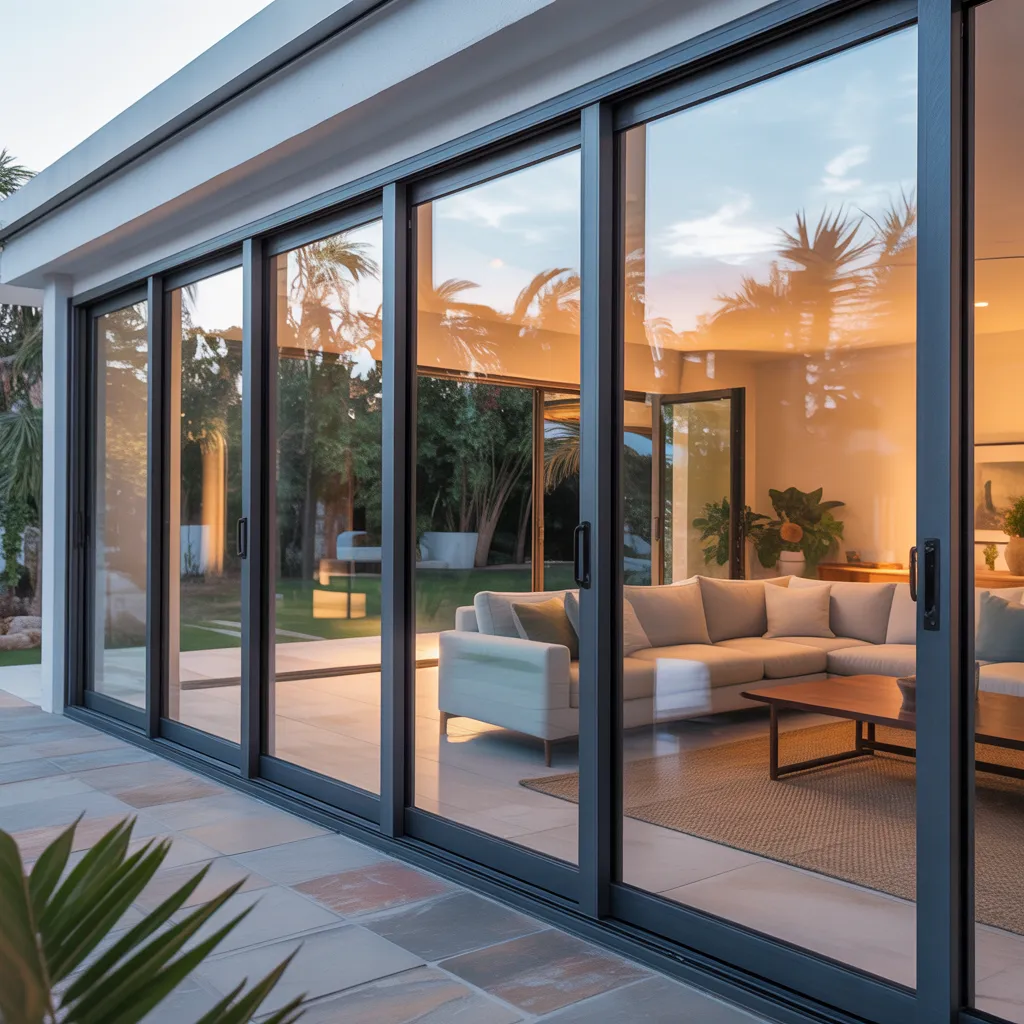
Installing sustainable sliding doors can substantially improve a home's visual appeal, as they integrate effectiveness with contemporary aesthetics. These doors constitute a prominent focal point, commanding focus and welcoming passersby to enjoy the home's design character. Obtainable in numerous design options, energy-efficient sliding doors can complement different architectural features, from current to conventional.
The expansive glass panels allow natural light to flood interior spaces, establishing an inviting atmosphere that stretches the living area outdoors. This smooth transition improves the home's overall appeal, rendering it appear larger and more open. Furthermore, homeowners can select options that express their personal style, strengthening their unique identity.
Furthermore, the graceful edges and minimalist design of sliding doors present a contemporary look, making the property more desirable to potential buyers. By investing in energy-efficient sliding doors, homeowners not only elevate aesthetics but also strengthen the property's value and marketability.
Deciding on Selections for Eco-Friendly Sliding Doors
Choosing the right materials for energy-saving sliding doors is essential to enhancing their functionality and visual appearance. Popular materials include vinyl, fiberglass, and wood, each offering unique benefits. Vinyl is known for its superior thermal properties and low maintenance needs, making it a popular option. Fiberglass delivers durability and resistance to warping, while also delivering strong energy efficiency. Wood, though aesthetically appealing, often requires more maintenance and may need extra insulation to meet energy standards.
The choice of glass treatment also serves as a vital factor. Double or triple-pane glass with low-emissivity treatments can significantly minimize thermal transmission, enhancing energy performance. Additionally, selecting frames with thermal breaks can further enhance thermal insulation. In the end, a thorough assessment of material options, combined with energy-efficient features, guarantees that sliding doors not only enhance the home's aesthetic appeal but also contribute to lower energy costs and greater comfort.
Instructions for Installing Power-saving Sliding Doors
Installing energy-efficient sliding doors requires careful planning and execution to guarantee maximum performance and longevity. First, the existing door frame must be measured precisely to ascertain a correct fit. The removal of the old door should be done with caution, avoiding damage to the surrounding structure. Once the area is prepared, the new sliding door can be positioned into the frame. Confirming that the door is even and plumb is essential; shims may be necessary for adjustments. After securing the door, proper insulation around the frame is fundamental to prevent air leaks. The installation should include weather stripping to enhance energy efficiency. Finally, the door's operation should be tested to verify smooth sliding and secure locking mechanisms. This methodical approach not only enhances energy efficiency but also contributes to the aesthetic appeal and functionality of the home.
Critical Techniques for Caring for Sliding Doors
Proper placement of energy-efficient sliding doors forms the groundwork for their longevity, but regular maintenance is comparably important to verify maximum effectiveness. Regular maintenance is essential; tracks should be cleared of grime and buildup to hinder interference and guarantee smooth movement. Homeowners should inspect the weatherstripping periodically for any deterioration or defects, replacing it as necessary to copyright energy conservation.
Coating the cylinders and tracks with a silicone spray helps improve functionality and reduce wear. summary Also, it is advisable to check the position of the doors; misalignment may cause gaps that affect energy efficiency. Moreover, inspecting the glass for cracks or chips will help prevent additional damage and energy loss. By following these best practices, homeowners can extend the life of their sliding doors while maximizing their energy-saving benefits. Consistent maintenance improves aesthetics and supports overall home comfort.
Popular Questions Posed Often
What Do Average Energy-Saving Sliding Doors Cost?
Standard costs for energy-saving sliding doors commonly fall from $800 to $3,000, based on materials, size, and installation. Property owners should reflect on ongoing cost benefits on energy bills when examining their investment in these doors.
How Do Traditional Doors Perform Against Sliding Doors in Terms of Energy Efficiency?
Sliding doors often supply outstanding energy efficiency in contrast with traditional doors, primarily because of their advanced insulation and sealing technologies. This design decreases air leaks, enhancing thermal performance and reducing heating and cooling costs in homes.
Can Existing Doors be Retrofitted to Attain Better Energy Efficiency?
Upgrading existing doors for better energy efficiency is feasible through weather stripping, adding insulation, or installing energy-efficient glass. These changes can boost insulation and reduce energy loss, making older doors highly efficient without full replacement.
Are Energy-Efficient Sliding Doors Qualified for Tax Credits or Rebates?
Energy-efficient sliding doors may be eligible for tax credits or rebates, depending on local and federal programs. Homeowners should check specific eligibility requirements and speak to tax professionals to maximize potential financial benefits.
What Coverage Options Can You Get for Energy-Efficient Sliding Doors?
Various coverage options for energy-saving sliding door systems feature manufacturer guarantees, which often protect defects for 10-20 years, and lifetime protection plans that may protect specific parts. Property owners should examine terms to guarantee sufficient protection against possible problems.